


Page 168 - Feasibility Study of New Media Technology on Constructing Online Public Sphere
P. 168
Feasibility Study of New Media Technology
               on Constructing Online Public Sphere


                 The results, shown in Figure 27, were that 60% of respondents found out about

            the Xiamen PX plant case through internet media reports, followed by BBS/forums and
            social networking sites (42.86% and 40.95%, respectively). Only 14.29% found out
            through blogs, which might be a consequence of the development of new media; Weibo
            (a microblog site similar to Twitter) has replaced the blog in terms of both information
            production and consumption. The decline of users of blog services has led to the suc-

            cessive closure of the once-popular blog sites. The figures also indicate that traditional
            media is no longer in the leading position in the coverage of unexpected public events.


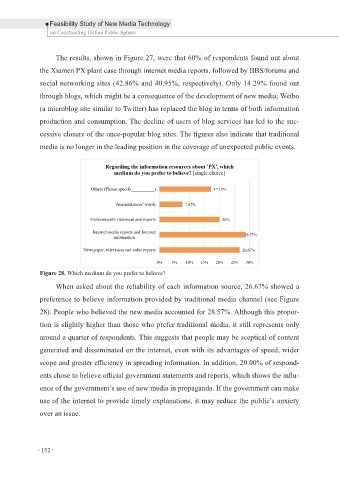
            Figure 28. Which medium do you prefer to believe?
                 When asked about the reliability of each information source, 26.67% showed a
            preference to believe information provided by traditional media channel (see Figure
            28). People who believed the new media accounted for 28.57%. Although this propor-
            tion is slightly higher than those who prefer traditional media, it still represents only

            around a quarter of respondents. This suggests that people may be sceptical of content
            generated and disseminated on the internet, even with its advantages of speed, wider
            scope and greater efficiency in spreading information. In addition, 20.00% of respond-

            ents chose to believe official government statements and reports, which shows the influ-
            ence of the government’s use of new media in propaganda. If the government can make
            use of the internet to provide timely explanations, it may reduce the public’s anxiety
            over an issue.


             152
             152

